

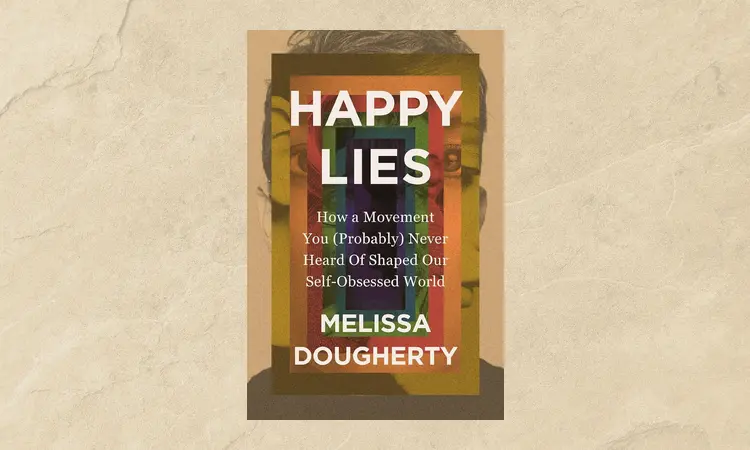
Twenty years ago, the most formidable opponent to Christianity was atheism, which painted Christians as backward and unscientific; today, the greater challenge comes from vague spirituality—people accept all kinds of supernatural beliefs as long as it’s nothing too dogmatic. What changed, and how should Christians respond to this new reality? In her book Happy Lies, Melissa Doughtery traces this new spirituality back to “a philosophy you’ve probably never heard of” called New Thought (xviii).
Despite what the name suggests, New Thought isn’t exactly new. It has its roots in Enlightenment and early American figures, like Emanuel Swedenborg, Ralph Waldo Emerson, and Franz Anton Mesmer (of mesmerizing fame). Though it shares many beliefs with its New Age cousin, including the belief that humans are divine, New Thought styles itself as overtly Christian—a “new thought” about God. For those disillusioned with hell, sin, and rules, New Thought offers “an attractive alternative to ‘dogmatic’ Christianity” (13).
Doughtery shows how New Thought retains Christian vocabulary, but changes the meaning into something unrecognizable. In New Thought, sin boils down to ignorance, heaven and hell represent states of mind, and Jesus shows the way to our own Christ Consciousness. For anyone who has experienced it, trying to talk to someone who agrees with you by redefining the terms is both frustrating and bewildering. This movement, unlike New Age, is dangerous because it looks so similar to Christianity. New Thought purports to offer a more loving, more accepting Christianity, but ultimately, it’s “a self-help message of hope, empowerment, and spiritual transformation—with you as the savior” (44).
This movement is “the background for many beliefs and philosophies accepted in American culture” (13). In particular, Doughtery highlights a number of areas where New Thought is influencing Christian teaching. One of those areas is the Word of Faith movement, which teaches that with enough faith, we can speak miracles and prosperity into existence. We declare healing. We create reality. Ultimately, this “strips sovereignty from God and hands it to humanity” (122). New Thought also leans heavily into mysticism. By overemphasizing personal spiritual experiences (remember, you are divine) and downplaying the Bible as just one source of truth among many, it undermines the sufficiency of Scripture.
We should avoid the temptation to see New Thought behind every heretical bush, but Doughtery shows that it’s probably more influential than we realize. It’s in your social media feed; it might be in the books you read. And if you haven’t fallen for any of its subtle lies, your neighbor probably has. Doughtery helps us to recognize that New Thought is really just the old lie—Satan puts the same bitter fruit in a new box.